https://x.com/WhiteHouse/status/1968472434224337221
/mlpol/ - My Little Politics
150 replies | 36 files | 54 UUIDs | Page 8


LMAO! Today is a good day. Get fucked leftoids!
>>398179
The scale of things happening must remain balanced. For Antifa being declared terrorists to happen, Indian visas being streamlined mus also happen.
The scale of things happening must remain balanced. For Antifa being declared terrorists to happen, Indian visas being streamlined mus also happen.

>DOMESTIC TERRORIST
Foreign. They have always been a joint Russian/British operation.
Foreign. They have always been a joint Russian/British operation.
>>398184
Should probably note that there isn't actually any legal definition of "domestic terrorist" under US law. The USA doesn't actually recognize domestic threats as terrorist groups, only foreign ones.
If Trump is actually doing anything, he's labeling Antifa as an international terrorist group.
Should probably note that there isn't actually any legal definition of "domestic terrorist" under US law. The USA doesn't actually recognize domestic threats as terrorist groups, only foreign ones.
If Trump is actually doing anything, he's labeling Antifa as an international terrorist group.
1758168260.jpg (77.6 KB, 1057x1057, tumblr_65fbe8266a6cb62b5e7a5df97f62c6db_9cdfba62_1280.jpg)

>orange zionist declares a non-organization a terrorist organization.
This will either result in Patriot Act 2.0 or nothingburger.
This will either result in Patriot Act 2.0 or nothingburger.

President Donald Trump please declare furfag community as a terrorist organization.
Your faithful voter,
Anon
Your faithful voter,
Anon


>>398172
It is hot air and propaganda. Trump is lying to the MAGA base again.
If it would be real, we can be sure the SWAT raids across the country would be executed right now.
A lot of oligarchs would be in jail already with their assets frozen as well as tons of government officials and academia professors.
Also the idea of attacking antifa is ridiculous because is the official militia of the establishment, here and in Europe.
It is hot air and propaganda. Trump is lying to the MAGA base again.
If it would be real, we can be sure the SWAT raids across the country would be executed right now.
A lot of oligarchs would be in jail already with their assets frozen as well as tons of government officials and academia professors.
Also the idea of attacking antifa is ridiculous because is the official militia of the establishment, here and in Europe.

>>398199
>4chan is down again
i just used it though...is it only problem with captcha?
---
Chairman Comer Invites CEOs of Discord, Steam, Twitch, and Reddit to Testify on Radicalization of Online Forum Users
sources:
https://oversight.house.gov/release/chairman-comer-invites-ceos-of-discord-steam-twitch-and-reddit-to-testify-on-radicalization-of-online-forum-users/
https://www.reuters.com/world/us/us-house-panel-asks-online-forum-ceos-testify-after-charlie-kirk-assassination-2025-09-17/
https://www.youtube.com/watch?v=zVKzrpIhMEk
>4chan is down again
i just used it though...is it only problem with captcha?
---
Chairman Comer Invites CEOs of Discord, Steam, Twitch, and Reddit to Testify on Radicalization of Online Forum Users
sources:
https://oversight.house.gov/release/chairman-comer-invites-ceos-of-discord-steam-twitch-and-reddit-to-testify-on-radicalization-of-online-forum-users/
https://www.reuters.com/world/us/us-house-panel-asks-online-forum-ceos-testify-after-charlie-kirk-assassination-2025-09-17/
https://www.youtube.com/watch?v=zVKzrpIhMEk
>>398200
gee...bad pic size sorry
--
this the best thing ever
shutting up leftist's radicalizing echo chambers.
saving us from piece of shits like hasan , destiny and hijaba the hut.
and goodbye to r/gaymingcirclejerk
gee...bad pic size sorry
--
this the best thing ever
shutting up leftist's radicalizing echo chambers.
saving us from piece of shits like hasan , destiny and hijaba the hut.
and goodbye to r/gaymingcirclejerk
>>398200
>chairman invites CEOs
>us house panel asks
It is not serious, inviting and asking is not the same than a subpoena.
>chairman invites CEOs
>us house panel asks
It is not serious, inviting and asking is not the same than a subpoena.
1758197487.jpg (81.9 KB, 600x679, 17581928118538039495649032301211.jpg)

>>398198
I've come to realize that I have been pavolian conditioned to disregard every single utterance that Trump is one of them kikes and immediately believe in the exact inverse narrative. Damn old man, his propaganda got to me!
...oh well, I ain't fighting it, considering you're too pussy to show flag.
I've come to realize that I have been pavolian conditioned to disregard every single utterance that Trump is one of them kikes and immediately believe in the exact inverse narrative. Damn old man, his propaganda got to me!
...oh well, I ain't fighting it, considering you're too pussy to show flag.
>>398198
>If it would be real, we can be sure the SWAT raids across the country would be executed right now.
>A lot of oligarchs would be in jail already with their assets frozen as well as tons of government officials and academia professors.
The President does not have that kind of power. We have a long and convoluted judicial system.
>official militia of the establishment
>official militia
>official
Define "official".
>If it would be real, we can be sure the SWAT raids across the country would be executed right now.
>A lot of oligarchs would be in jail already with their assets frozen as well as tons of government officials and academia professors.
The President does not have that kind of power. We have a long and convoluted judicial system.
>official militia of the establishment
>official militia
>official
Define "official".
European countries are following suit. So swaggy.


>NEW: President Donald J. Trump just signed an order officially designating Antifa as a domestic terrorist organization.
https://x.com/RapidResponse47/status/1970250137193644374
>Antifa is a global network. From Germany against AfD, to France against Le Pen, to Spain against Vox, to Hungary against Orban, to Belarus against Lukashenko
https://x.com/MikeBenzCyber/status/1969959156707958796
>The communist directive 1943:
>"Label them a Nazi or Fascist"
https://x.com/azraeleternal/status/1970153658105958822
>Stephen Miller to the radical left who believed they silenced Charlie Kirk:
>“You are nothing. You wickedness, you are jealousy, you are hatred. You are NOTHING.”
https://x.com/WCdispatch_/status/1969872303094902865
https://x.com/RapidResponse47/status/1970250137193644374
>Antifa is a global network. From Germany against AfD, to France against Le Pen, to Spain against Vox, to Hungary against Orban, to Belarus against Lukashenko
https://x.com/MikeBenzCyber/status/1969959156707958796
>The communist directive 1943:
>"Label them a Nazi or Fascist"
https://x.com/azraeleternal/status/1970153658105958822
>Stephen Miller to the radical left who believed they silenced Charlie Kirk:
>“You are nothing. You wickedness, you are jealousy, you are hatred. You are NOTHING.”
https://x.com/WCdispatch_/status/1969872303094902865
For those who don't remember
https://mlpol.net/mlpol/archive/288528
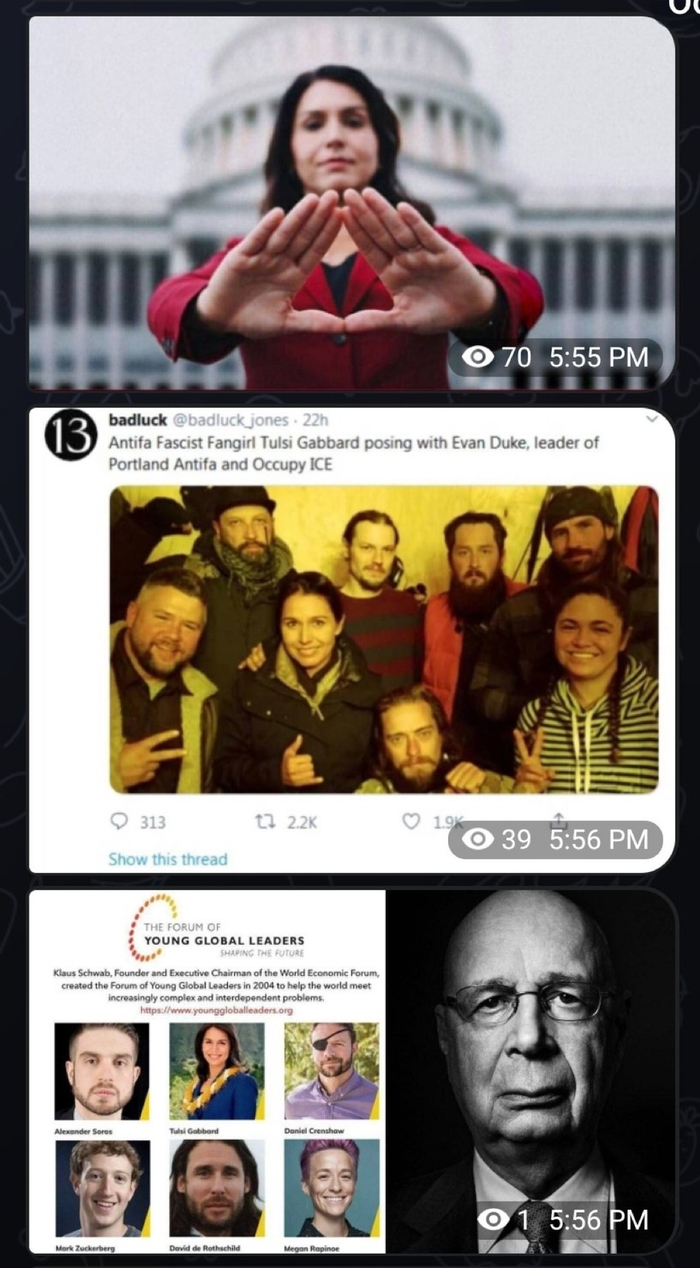
This is antifa's network. Look for the older cock suckers in the back. They are usually professors and the ring leaders.
https://mlpol.net/mlpol/archive/288528
This is antifa's network. Look for the older cock suckers in the back. They are usually professors and the ring leaders.
The modern left's entire political strategy is to be hysterical over reacting bleeding vaginas. I feel that pointing this out is a valid strategy to end it.
>>398680
I don't fathom how much they're fucking up anymore. The democrats have a big girthy tank shell that is the admin's retardation over epstein, but they just can't use it right. I've seen actual trump supporters give him more shit about it than even redditors. In fact, the more bitching I hear from Obama and friends, the more I deify Trump out of pure spite, cuz it's hilariously still more good and true than whatever the alternative is.
I don't fathom how much they're fucking up anymore. The democrats have a big girthy tank shell that is the admin's retardation over epstein, but they just can't use it right. I've seen actual trump supporters give him more shit about it than even redditors. In fact, the more bitching I hear from Obama and friends, the more I deify Trump out of pure spite, cuz it's hilariously still more good and true than whatever the alternative is.
>>398425
>From Germany against AfD, to France against Le Pen, to Spain against Vox, to Hungary against Orban, to Belarus against Lukashenko
Hey, but being against shitty pro-russian clowns is based.
>From Germany against AfD, to France against Le Pen, to Spain against Vox, to Hungary against Orban, to Belarus against Lukashenko
Hey, but being against shitty pro-russian clowns is based.
>>398686
>pro-russian clowns
You would say that about any right wing populist who even dared to consider isolationism.
>pro-russian clowns
You would say that about any right wing populist who even dared to consider isolationism.

>>398205
>U didn't show le flag that means I win! Glory to orange kike! Glory to israel!
I remember when imageboards used to rightfully get DDOSed to death for flag glowery, yet now it's an expectation even when VPNs have withered away any credibility flags might have given.
You need to kill the tiny Mark Zuckerberg inside your brain.
>U didn't show le flag that means I win! Glory to orange kike! Glory to israel!
I remember when imageboards used to rightfully get DDOSed to death for flag glowery, yet now it's an expectation even when VPNs have withered away any credibility flags might have given.
You need to kill the tiny Mark Zuckerberg inside your brain.
>>398692
How is Assad relevant to the others in that post?
Assad is a Baathist, which, like fascism, doesn't really fit into left/right false dichotomy. He was never a populist, and I never said he was.
How is Assad relevant to the others in that post?
Assad is a Baathist, which, like fascism, doesn't really fit into left/right false dichotomy. He was never a populist, and I never said he was.
1758913755.png (139.7 KB, 954x365, 43c38d5e-b309-4711-9864-9fb5389fa0df.png)

HAHAHAHAHAHAHAHAHAHAHAHAHAHA


>>398693
>How is Assad relevant to the others in that post?
Read second pic on >>398425
There are Assad mentioned alongside with Lukashenko, Le Pen and the others.
>Assad is a Baathist
Officially, Baathism is socialism.
Assadism (Arabic: اسدية, romanized: ʾAsadiyah) or Assadist Ba'athism is a far-left[1] ideology and a variant of the neo-Ba'athism based on the policies and thinking of the Assad family, which governed Syria as a totalitarian hereditary dictatorship from 1971 to 2024.[2][3] Assadism was characterized by Arab nationalism, **socialism**, totalitarianism, extreme militarism, and a cult of personality around the Assad family
>How is Assad relevant to the others in that post?
Read second pic on >>398425
There are Assad mentioned alongside with Lukashenko, Le Pen and the others.
>Assad is a Baathist
Officially, Baathism is socialism.
Assadism (Arabic: اسدية, romanized: ʾAsadiyah) or Assadist Ba'athism is a far-left[1] ideology and a variant of the neo-Ba'athism based on the policies and thinking of the Assad family, which governed Syria as a totalitarian hereditary dictatorship from 1971 to 2024.[2][3] Assadism was characterized by Arab nationalism, **socialism**, totalitarianism, extreme militarism, and a cult of personality around the Assad family
This is a great opportunity to fuck with the censorship industrial complex. "So so corporations supports antifa terrorists by silencing their critics!"

>>398699
>Officially, Baathism is socialism.
A bit, kind of like how the NSDAP included a few socialist elements, in addition to some fascist and capitalist elements. The ideology is syncretic.
>[2][3]
You don't need to copy-paste your jewgle searches. I know what Baathism means.
>>398700
Blockading a federal building is a pretty serious offense. If it becomes a pattern, they could invoke the insurrection act.
>Officially, Baathism is socialism.
A bit, kind of like how the NSDAP included a few socialist elements, in addition to some fascist and capitalist elements. The ideology is syncretic.
>[2][3]
You don't need to copy-paste your jewgle searches. I know what Baathism means.
>>398700
Blockading a federal building is a pretty serious offense. If it becomes a pattern, they could invoke the insurrection act.
>>398702
>A bit, kind of like how the NSDAP included a few socialist elements, in addition to some fascist
>broadcasting soviet psyop but won't accept paste from "jewgle"
>capitalist elements
There are "capitalist elements" in EVERY ideology in human society in EVERY moment of the history since creation of the first states. Capitalism is circulatory system of human society and therefore impossible to made "capitalist" ideology. You're just broadcasting psyop from jew Marx, whose ideology based on the voluntary unpaid labor where no one is responsible for anything.
>A bit, kind of like how the NSDAP included a few socialist elements, in addition to some fascist
>broadcasting soviet psyop but won't accept paste from "jewgle"
>capitalist elements
There are "capitalist elements" in EVERY ideology in human society in EVERY moment of the history since creation of the first states. Capitalism is circulatory system of human society and therefore impossible to made "capitalist" ideology. You're just broadcasting psyop from jew Marx, whose ideology based on the voluntary unpaid labor where no one is responsible for anything.
>>398704
>There are "capitalist elements" in EVERY ideology in human society in EVERY moment of the history since creation of the first states.
Yeah. That goes without saying.
>Capitalism is circulatory system of human society and therefore impossible to made "capitalist" ideology.
Some ideologies are more capitalist than others, particularly in the aspect of free market economies. Laissez faire free market liberalism has been the norm in the west for a long time now.
>You're just broadcasting psyop from jew Marx
I strongly disavow and condemn communists.
>There are "capitalist elements" in EVERY ideology in human society in EVERY moment of the history since creation of the first states.
Yeah. That goes without saying.
>Capitalism is circulatory system of human society and therefore impossible to made "capitalist" ideology.
Some ideologies are more capitalist than others, particularly in the aspect of free market economies. Laissez faire free market liberalism has been the norm in the west for a long time now.
>You're just broadcasting psyop from jew Marx
I strongly disavow and condemn communists.
>>398707
>looks inside
No you didn't. The article doesn't mention Israel, Palestine or Zionism even once.
They were arrested for threatening ICE agents and laying siege to a federal building.
>looks inside
No you didn't. The article doesn't mention Israel, Palestine or Zionism even once.
They were arrested for threatening ICE agents and laying siege to a federal building.
>>398705
>Some ideologies are more capitalist than others
Let's say it right - some ideologies are more oppressive, than others. Limitations on trade (like ban on the sale of fried fish in Ancient Sparta) are just manifestation of despotism.
>Some ideologies are more capitalist than others
Let's say it right - some ideologies are more oppressive, than others. Limitations on trade (like ban on the sale of fried fish in Ancient Sparta) are just manifestation of despotism.

>>398708
First of all: "Antifa **Members**"
Second:
https://en.m.wikipedia.org/wiki/United_States_Immigration_and_Customs_Enforcement
Third:
https://truthout.org/articles/atlantas-cop-city-is-funded-by-some-of-the-same-billionaires-who-back-aipac/
Fourth:
>laying seige
Article says "surrounding," AKA being near, at most protesting.
First of all: "Antifa **Members**"
Second:
https://en.m.wikipedia.org/wiki/United_States_Immigration_and_Customs_Enforcement
Third:
https://truthout.org/articles/atlantas-cop-city-is-funded-by-some-of-the-same-billionaires-who-back-aipac/
Fourth:
>laying seige
Article says "surrounding," AKA being near, at most protesting.
>>398708
Also "terrorizing" is such an overused word it quite literally just means "the ICE kikes in the building were uncomfortable"
Also "terrorizing" is such an overused word it quite literally just means "the ICE kikes in the building were uncomfortable"
>>398712
So be it, then.
Deporting illegals is one of the few things this government does that I strongly approve of. I have no sympathy for unlawful agitators trying to obstruct that process.
>Second:
I know what ICE is.
>Third:
Not even related to ICE.
I know that Zogbots are bought off by Jews. That doesn't mean I don't want illegals to be deported.
>Fourth:
The article also says that they were obstructing access to the building, which is a siege.
Arrests were made for property damage and assault as well.
>>398713
I didn't use that term.
So be it, then.
Deporting illegals is one of the few things this government does that I strongly approve of. I have no sympathy for unlawful agitators trying to obstruct that process.
>Second:
I know what ICE is.
>Third:
Not even related to ICE.
I know that Zogbots are bought off by Jews. That doesn't mean I don't want illegals to be deported.
>Fourth:
The article also says that they were obstructing access to the building, which is a siege.
Arrests were made for property damage and assault as well.
>>398713
I didn't use that term.
>>398714
Methinks anon is trying really hard to say that antifa is paid off by jews, and since ICE is under trump and trump is under jews, that means antifa is jewish controlled opposition like everything else that trump ever does.
Or something, I dunno, I blew a brain vein somewhere from processing that shit.
Methinks anon is trying really hard to say that antifa is paid off by jews, and since ICE is under trump and trump is under jews, that means antifa is jewish controlled opposition like everything else that trump ever does.
Or something, I dunno, I blew a brain vein somewhere from processing that shit.
>>398714
>I'm okay with an israeli military force on US soil as long as they do a few concessionary deportations
Pure spectacle
>I know what ICE is
It was more linked to get you up to speed beyond surface details.
>Not related to ICE
ICE does some of their training there, IDF supplies the military tactics
https://www.youtube.com/watch?v=M7Uhqjfzjsc
>obstructing the entrance
So a basic picket line.
>property damage
An cop breaking a window then grabing a passerby is nothing new
>I'm okay with an israeli military force on US soil as long as they do a few concessionary deportations
Pure spectacle
>I know what ICE is
It was more linked to get you up to speed beyond surface details.
>Not related to ICE
ICE does some of their training there, IDF supplies the military tactics
https://www.youtube.com/watch?v=M7Uhqjfzjsc
>obstructing the entrance
So a basic picket line.
>property damage
An cop breaking a window then grabing a passerby is nothing new
>>398718
Specifically I'm arguing that by declaraing a non-organization an organization, they can accuse people of being members and not have to give proof. Say something mean about Israel on [centralized social media platform]? You're an ANTIFA Member now.
Specifically I'm arguing that by declaraing a non-organization an organization, they can accuse people of being members and not have to give proof. Say something mean about Israel on [centralized social media platform]? You're an ANTIFA Member now.
>>398716
>I'm okay with an israeli military force on US soil as long as they do a few concessionary deportations
What a disingenuous take. I oppose ZOG, but I support deportations. I support ICE because they do almost nothing other than deportations. I can oppose ZOG and support deportations at the same time.
>So a basic picket line.
No, that's obstruction.
>An cop breaking a window then grabing a passerby is nothing new
... So?
That's not who was arrested.
>>398715
It's really just disingenuous. I've browsed this site every day for 8 years, and nobody has been so viciously opposed to basic law enforcement and deportations until this one Anon in this thread. His fixation on ICE is incredibly telling.
>>398719
They've been doing that to white nationalists for decades, and I've never seen you complain about it here before, at least not with the same intensity you are now.
>I'm okay with an israeli military force on US soil as long as they do a few concessionary deportations
What a disingenuous take. I oppose ZOG, but I support deportations. I support ICE because they do almost nothing other than deportations. I can oppose ZOG and support deportations at the same time.
>So a basic picket line.
No, that's obstruction.
>An cop breaking a window then grabing a passerby is nothing new
... So?
That's not who was arrested.
>>398715
It's really just disingenuous. I've browsed this site every day for 8 years, and nobody has been so viciously opposed to basic law enforcement and deportations until this one Anon in this thread. His fixation on ICE is incredibly telling.
>>398719
They've been doing that to white nationalists for decades, and I've never seen you complain about it here before, at least not with the same intensity you are now.
>>398719
Give me an example of a non-leftist being arrested as an antifa member to prove that this is targeted at anyone but radical leftists.
Give me an example of a non-leftist being arrested as an antifa member to prove that this is targeted at anyone but radical leftists.
>>398719
>antifa
>not an org
>dresses the same
>same flags
>same slogans
>same behaviors
>same suspiciously well-funded-ness
Calling it merely "idea" is just pedantic. We all know what people mean when one mentions "antifa". Besides, they don't get arrested in their discords; they get arrested when they chuck bricks on the streets.
It's like being arrested as a satanist: I did NOT get arrested for being satanist, I got arrested for real crimes, like animal cruelty... or joining antifa, and chucking bricks.
>antifa
>not an org
>dresses the same
>same flags
>same slogans
>same behaviors
>same suspiciously well-funded-ness
Calling it merely "idea" is just pedantic. We all know what people mean when one mentions "antifa". Besides, they don't get arrested in their discords; they get arrested when they chuck bricks on the streets.
It's like being arrested as a satanist: I did NOT get arrested for being satanist, I got arrested for real crimes, like animal cruelty... or joining antifa, and chucking bricks.
>>398721
>They've been doing that to white nationalists for decades, and I've never seen you complain
This is an anonymous imageboard, categorically you have never seen me before and will never see me and recognize it to be me specifically after this thread slides.
>about it here before, at least not with the same intensity you are now.
It's more effective because:
>Accuse of being Antifa Member
>Two options:
<Option One
>Deny being an Antifa Member
>asked if you oppose fascism
>Say yes, you're an Antifa Member, jail
>Say you don't care one say or the other, Crypto-Antifa Member, jail
>Say no, see option 2
<Option two
>Claim to be fascist
>Immediately discredited by media
>Either join Heritage Foundation as a grifter, making vtuber youtube videos about how [videogame] is woke now and glory to israel for the rest of your life, or go to jail.
>They've been doing that to white nationalists for decades, and I've never seen you complain
This is an anonymous imageboard, categorically you have never seen me before and will never see me and recognize it to be me specifically after this thread slides.
>about it here before, at least not with the same intensity you are now.
It's more effective because:
>Accuse of being Antifa Member
>Two options:
<Option One
>Deny being an Antifa Member
>asked if you oppose fascism
>Say yes, you're an Antifa Member, jail
>Say you don't care one say or the other, Crypto-Antifa Member, jail
>Say no, see option 2
<Option two
>Claim to be fascist
>Immediately discredited by media
>Either join Heritage Foundation as a grifter, making vtuber youtube videos about how [videogame] is woke now and glory to israel for the rest of your life, or go to jail.

>>398707
>>398707
>>398712
>>398707
>>398713
>>398716
>>398726
>>398727
>/pol/, you are the only person in the world who can take a great headline like "antifa is getting their shit kicked in and spics are being deported" and turn it into some bullshit about Israel. Of all the motherfuckers in the world, you are the motherfuckiest.
>>398707
>>398712
>>398707
>>398713
>>398716
>>398726
>>398727
>/pol/, you are the only person in the world who can take a great headline like "antifa is getting their shit kicked in and spics are being deported" and turn it into some bullshit about Israel. Of all the motherfuckers in the world, you are the motherfuckiest.
>>398727
Mate, what are you implying. That does not address anything I said.
I'll also mention here that my most controversial take I possess is my belief that Trump is doing the nation a solid and I am completely okay with his term so far. Not perfect, but I won't have it any other way.
So if you want to guess at my shitty ideology, just consider me the Trump Dicksucker. Still a more rational position than you, you sophist smelling ass.
Mate, what are you implying. That does not address anything I said.
I'll also mention here that my most controversial take I possess is my belief that Trump is doing the nation a solid and I am completely okay with his term so far. Not perfect, but I won't have it any other way.
So if you want to guess at my shitty ideology, just consider me the Trump Dicksucker. Still a more rational position than you, you sophist smelling ass.
>>398729
Every ideology is an org if those are the criterion. No, an org is an organization, it can have an ideology, but merely having an ideology doesn't constitute org-ness. It's not pedantic, it's semantic.
Every ideology is an org if those are the criterion. No, an org is an organization, it can have an ideology, but merely having an ideology doesn't constitute org-ness. It's not pedantic, it's semantic.

>>398730
OH OK, LET ME CORRECT MYSELF:
IT'S PEDANTIC TO ARGUE SEMANTICS.
YOU DID IT RIGHT THERE IN YOUR POST.
OH OK, LET ME CORRECT MYSELF:
IT'S PEDANTIC TO ARGUE SEMANTICS.
YOU DID IT RIGHT THERE IN YOUR POST.

>>398731
Honestly I'm so used to the word semantic in the context of "semantic html" it didn't occur to me how silly that sounded.
Fair enough, but I really should write an essay about this some time and post it here, I really do think not discerning this can lead to falling for all sorts of trickery.
Honestly I'm so used to the word semantic in the context of "semantic html" it didn't occur to me how silly that sounded.
Fair enough, but I really should write an essay about this some time and post it here, I really do think not discerning this can lead to falling for all sorts of trickery.

>>398726
>categorically you have never seen me before and will never see me and recognize it to be me specifically after this thread slides.
This community is small enough to recognize posting style. Plus, if you had been posting about it in any significant capacity, I would have seen it. Were you asleep for the last 5 years that the Biden administration was going after people on the right?
I notice that you didn't deny it either.
>>asked if you oppose fascism
>>Say yes, you're an Antifa Member, jail
I am a fascist, so that's no problem for me.
>Immediately discredited by media
>Either join Heritage Foundation as a grifter, making vtuber youtube videos about how [videogame] is woke now and glory to israel for the rest of your life, or go to jail.
That's already been happening my entire life, lmao. No change whatsoever.
>>398728
It's just a shitlib desperate to get us to care about leftists starting to be treated the same way white nationalists have been treated for decades.
>>398730
People like me have been the target of this for literal decades. Why should I care that they're finally targeting leftists now?
>categorically you have never seen me before and will never see me and recognize it to be me specifically after this thread slides.
This community is small enough to recognize posting style. Plus, if you had been posting about it in any significant capacity, I would have seen it. Were you asleep for the last 5 years that the Biden administration was going after people on the right?
I notice that you didn't deny it either.
>>asked if you oppose fascism
>>Say yes, you're an Antifa Member, jail
I am a fascist, so that's no problem for me.
>Immediately discredited by media
>Either join Heritage Foundation as a grifter, making vtuber youtube videos about how [videogame] is woke now and glory to israel for the rest of your life, or go to jail.
That's already been happening my entire life, lmao. No change whatsoever.
>>398728
It's just a shitlib desperate to get us to care about leftists starting to be treated the same way white nationalists have been treated for decades.
>>398730
People like me have been the target of this for literal decades. Why should I care that they're finally targeting leftists now?
>>398733
I'm saying it's an improvement on the existing strategy, the old strategy is now a substrategy of the new one.
>Were you asleep for the last 5 years that the Biden administration was going after people on the right?
Not here specifically, I was here when the 4chan april fools that merged /mlp/ and /pol/ ended, figured I'd search it up again in a hankering for drawthread ponuts, temporarily unblocked duckduckgo on my /etc/hosts (I don't like using search engines and make it hard to use them on purpose so I use my bookmarks) and sure enough the site's still around.
I've voiced my complaints to the little extent that isn't just agreeing with the boilerplate elsewhere, but as far as /mlpol/ goes effecively yes.
I'm saying it's an improvement on the existing strategy, the old strategy is now a substrategy of the new one.
>Were you asleep for the last 5 years that the Biden administration was going after people on the right?
Not here specifically, I was here when the 4chan april fools that merged /mlp/ and /pol/ ended, figured I'd search it up again in a hankering for drawthread ponuts, temporarily unblocked duckduckgo on my /etc/hosts (I don't like using search engines and make it hard to use them on purpose so I use my bookmarks) and sure enough the site's still around.
I've voiced my complaints to the little extent that isn't just agreeing with the boilerplate elsewhere, but as far as /mlpol/ goes effecively yes.
>>398734
The ruling class never reserves power it doesn't use, because reserving power requires power. See the patriot act.
It will happen, I will be smug about it when it does.
The ruling class never reserves power it doesn't use, because reserving power requires power. See the patriot act.
It will happen, I will be smug about it when it does.
>>398736
Yes, yes, and when the Sun supernovas in several million years, I too will be very smug and totally still alive.
Yes, yes, and when the Sun supernovas in several million years, I too will be very smug and totally still alive.
>>398736
See, this is the whole problem with what you're saying. It's all just speculation about how these powers could be theoretically used at some vague point in the future, not about how they're actually being used right now. You are either a shitlib trying to sow seeds of doubt as >>398733 suggests, or you're just a sourpuss looking for a reason to be cynical about what has realistically been the best presidential administration of any of our lifetimes. Either way, have fun being mad I guess.
See, this is the whole problem with what you're saying. It's all just speculation about how these powers could be theoretically used at some vague point in the future, not about how they're actually being used right now. You are either a shitlib trying to sow seeds of doubt as >>398733 suggests, or you're just a sourpuss looking for a reason to be cynical about what has realistically been the best presidential administration of any of our lifetimes. Either way, have fun being mad I guess.
>>398738
>or you're just a sourpuss looking for a reason to be cynical
Sourpusses keep the hype train from screeching off the rails. It's like wasps, they're unpleasant, but they're pollinators and will outlive bees.
>or you're just a sourpuss looking for a reason to be cynical
Sourpusses keep the hype train from screeching off the rails. It's like wasps, they're unpleasant, but they're pollinators and will outlive bees.
>>398740
>It's like wasps, they're unpleasant, but they're pollinators and will outlive bees.
dude what? wasps are annoying pests who do absolutely nothing useful.
>It's like wasps, they're unpleasant, but they're pollinators and will outlive bees.
dude what? wasps are annoying pests who do absolutely nothing useful.
>>398743
Aren't they pollinators? Or am I mixing that up with non-honey making bees? I vaugely remember tweets about this when Minecraft released the bee update.
Aren't they pollinators? Or am I mixing that up with non-honey making bees? I vaugely remember tweets about this when Minecraft released the bee update.
>>398743
>>398744 (me)
https://www.fs.usda.gov/wildflowers/pollinators/animals/wasps.shtml
yeah nah they pollinate
>>398744 (me)
https://www.fs.usda.gov/wildflowers/pollinators/animals/wasps.shtml
yeah nah they pollinate

Back on topic:
ye, antifa's an org. Fuck them, fuck anyone who supports them, prisoners oughta fuck them in jail literally, so on and so forth.
ye, antifa's an org. Fuck them, fuck anyone who supports them, prisoners oughta fuck them in jail literally, so on and so forth.
>>398746
It's basically a catch-all to sweep up anarchists and leftist lunatics that have been attacking people to these past few weeks. They do a good enough of a job identifying themselves.
It's basically a catch-all to sweep up anarchists and leftist lunatics that have been attacking people to these past few weeks. They do a good enough of a job identifying themselves.
https://fxtwitter.com/TheRealFarley/status/1971787202847035889
Haha their own outsourced private sector surveillance state is backfiring on them
Haha their own outsourced private sector surveillance state is backfiring on them
>>398826
hm? Every post I made here had flag I think. I do use the thumb key keyboard (english programming expanded) though so every time I use the letter "o" I hazard accidentally hiding flag or spoilering my image. Usually copy > delete > recompose in the later case.
I don't care about flags on imageboards that much personally but it glows for a platform to admit they're not hashing IPs by showing flags.
hm? Every post I made here had flag I think. I do use the thumb key keyboard (english programming expanded) though so every time I use the letter "o" I hazard accidentally hiding flag or spoilering my image. Usually copy > delete > recompose in the later case.
I don't care about flags on imageboards that much personally but it glows for a platform to admit they're not hashing IPs by showing flags.
>>398737
>>398738
Aaand no longer speculation:
https://www.whitehouse.gov/presidential-actions/2025/09/countering-domestic-terrorism-and-organized-political-violence/
>Common threads animating this violent conduct include anti-Americanism, anti-capitalism, and anti-Christianity;
The orange israeli said it himself:
>You're a terrorist if you don't like christkikes
>worship the popcicle kike or you're an antifa
>>398738
Aaand no longer speculation:
https://www.whitehouse.gov/presidential-actions/2025/09/countering-domestic-terrorism-and-organized-political-violence/
>Common threads animating this violent conduct include anti-Americanism, anti-capitalism, and anti-Christianity;
The orange israeli said it himself:
>You're a terrorist if you don't like christkikes
>worship the popcicle kike or you're an antifa
>>398831
i keep seeing these r/atheist bullshits
look, the version of the christianity that you guys hate and keep Calling Jesus jewstick or popsicle , etc for it is the jewishly poisoned ((neocons)) and ((evangelicals)). they came to America to mainly change and inject pro-kike agenda to people's mind in name of Jesus in their money vacuum mega churches. don't get fooled by their propaganda.
Christianity in many other places is not like what you guys see in the US on daily bases, most Christians still consider jews as gentile and evil due to the fact that they were one of the main cause of his crucification. and they're not pro-faggotary or pro-feminists.
i keep seeing these r/atheist bullshits
look, the version of the christianity that you guys hate and keep Calling Jesus jewstick or popsicle , etc for it is the jewishly poisoned ((neocons)) and ((evangelicals)). they came to America to mainly change and inject pro-kike agenda to people's mind in name of Jesus in their money vacuum mega churches. don't get fooled by their propaganda.
Christianity in many other places is not like what you guys see in the US on daily bases, most Christians still consider jews as gentile and evil due to the fact that they were one of the main cause of his crucification. and they're not pro-faggotary or pro-feminists.
>>398854
My desert bro, he just hates all christians. I duuno why, I reckon cuz he's unironically irrationally hateful. Don't overthink it.
My desert bro, he just hates all christians. I duuno why, I reckon cuz he's unironically irrationally hateful. Don't overthink it.
>>398855
>I am a pagan
don't lie to me , your lazy ass is not praying for anything.
peeps on /pol/ keep saying that to not get mocked for being atheist.
and if i say Rome killed Jesus for a bunch of jew merchants,
you would say: oh no i am actually believe in greek gods.''
and if i say greek mythology is full of gods commiting incest, rape , homosexuality and animal fucking to create random creatures then
you will come and say :" oh no i am actually believe in norse god"
which is also full of whatever i mentioned about greeks.
--
anyway it has nothing to do with the thread but i had to say it.
>I am a pagan
don't lie to me , your lazy ass is not praying for anything.
peeps on /pol/ keep saying that to not get mocked for being atheist.
and if i say Rome killed Jesus for a bunch of jew merchants,
you would say: oh no i am actually believe in greek gods.''
and if i say greek mythology is full of gods commiting incest, rape , homosexuality and animal fucking to create random creatures then
you will come and say :" oh no i am actually believe in norse god"
which is also full of whatever i mentioned about greeks.
--
anyway it has nothing to do with the thread but i had to say it.
>>398856
i mean i can understand some of it , many people are from shitty overly restrict and painfully irrational religious families
i mean i can understand some of it , many people are from shitty overly restrict and painfully irrational religious families
>>398831
We literally just had a terror attack targeting Christians today. It is a real issue, and the administration responding to public outcry for it.
>>You're a terrorist if you don't like christkikes
>>worship the popcicle kike or you're an antifa
That is not even close to what he said.
Your own words contradict your point, if he works for, Jews, how could he be targeting all non-Christians? That would make all Jews terrorists (which is debatable, tbh).
We literally just had a terror attack targeting Christians today. It is a real issue, and the administration responding to public outcry for it.
>>You're a terrorist if you don't like christkikes
>>worship the popcicle kike or you're an antifa
That is not even close to what he said.
Your own words contradict your point, if he works for, Jews, how could he be targeting all non-Christians? That would make all Jews terrorists (which is debatable, tbh).
>>398831
>Aaand no longer speculation
No, it quite literally still is:
>There are common recurrent motivations and indicia uniting this pattern of violent and terroristic activities under the umbrella of self-described “anti-fascism.” These movements portray foundational American principles (e.g., support for law enforcement and border control) as “fascist” to justify and encourage acts of violent revolution. This “anti-fascist” lie has become the organizing rallying cry used by domestic terrorists to wage a violent assault against democratic institutions, constitutional rights, and fundamental American liberties.
>Common threads animating this violent conduct include anti-Americanism, anti-capitalism, and anti-Christianity; support for the overthrow of the United States Government; extremism on migration, race, and gender; and hostility towards those who hold traditional American views on family, religion, and morality.
This policy is about clamping down on violent left-wing extremism, specifically groups that are anti-American, anti-Christian, and anti-Capitalist. There is not one mention in this entire document of Jews, anti-Semitism, Zionism or Israel. There is nothing in this document to suggest that Trump's policy towards antifa has anything to do with these subjects. You are still just speculating and connecting dots in your head.
Incidentally, this guy has some pretty good takes on this subject:
https://occidentaldissent.com/2025/09/28/the-political-cesspool-activists-and-antifa/
>Aaand no longer speculation
No, it quite literally still is:
>There are common recurrent motivations and indicia uniting this pattern of violent and terroristic activities under the umbrella of self-described “anti-fascism.” These movements portray foundational American principles (e.g., support for law enforcement and border control) as “fascist” to justify and encourage acts of violent revolution. This “anti-fascist” lie has become the organizing rallying cry used by domestic terrorists to wage a violent assault against democratic institutions, constitutional rights, and fundamental American liberties.
>Common threads animating this violent conduct include anti-Americanism, anti-capitalism, and anti-Christianity; support for the overthrow of the United States Government; extremism on migration, race, and gender; and hostility towards those who hold traditional American views on family, religion, and morality.
This policy is about clamping down on violent left-wing extremism, specifically groups that are anti-American, anti-Christian, and anti-Capitalist. There is not one mention in this entire document of Jews, anti-Semitism, Zionism or Israel. There is nothing in this document to suggest that Trump's policy towards antifa has anything to do with these subjects. You are still just speculating and connecting dots in your head.
Incidentally, this guy has some pretty good takes on this subject:
https://occidentaldissent.com/2025/09/28/the-political-cesspool-activists-and-antifa/
>>398857
>If you exist outside the abrahamism-atheist false dichotomy, no you don't.
>The only flvors of paganism are greek, norse, and chinese
Don't pretend you don't know what animism is
>The aforementioned flavors of paganism had bad things happen
As opposed to abrahamism?
You're coping, my existence punches a hole in the bottom of your worldview so you're coping
>If you exist outside the abrahamism-atheist false dichotomy, no you don't.
>The only flvors of paganism are greek, norse, and chinese
Don't pretend you don't know what animism is
>The aforementioned flavors of paganism had bad things happen
As opposed to abrahamism?
You're coping, my existence punches a hole in the bottom of your worldview so you're coping
>>398870
This move was made in response to the recent scourge of leftist terror attacks, so if course they happened near eachother.
>>398867
>animism
Animism exists in most, if not all, religions, including Christianity.
"Pagan" is a vague term. What is your religion specifically?
>abrahamism?
"Abrahamism" is not even one ideology, let alone a single religion. If referencing a book from 4000 years ago were enough to make three religions the same, you may as well say that Hellenism and Hinduism are the same religion.
This move was made in response to the recent scourge of leftist terror attacks, so if course they happened near eachother.
>>398867
>animism
Animism exists in most, if not all, religions, including Christianity.
"Pagan" is a vague term. What is your religion specifically?
>abrahamism?
"Abrahamism" is not even one ideology, let alone a single religion. If referencing a book from 4000 years ago were enough to make three religions the same, you may as well say that Hellenism and Hinduism are the same religion.
>>398872
>Animism exists in most, if not all, religions, including Christianity.
You familiar with Linux From Scratch? Imagine those other religions are other distros of Linux. That.
>What is your religion specifically
Cobbled together, which is pretty common these days given abrahamics fucking with / outright destroying documentation at times throughout history. So the "open source approach" is not only common, but comes second to wicca to what you're likely to start off with.
Might be able to find a webring if you're legit curious.
https://en.m.wikipedia.org/wiki/Eclectic_paganism
If you're familiar with permaculture that's a part of it too for me specifically. I know permaculture isn't pagan on it's own but I've applied concepts from it to my practice.
>Abrahamism is not even one ideology, let alone a single religion.
They largely share canon with minor disagreements.
>you may as well say that Hellenism and Hinduism are the same religion
Kinda
>Animism exists in most, if not all, religions, including Christianity.
You familiar with Linux From Scratch? Imagine those other religions are other distros of Linux. That.
>What is your religion specifically
Cobbled together, which is pretty common these days given abrahamics fucking with / outright destroying documentation at times throughout history. So the "open source approach" is not only common, but comes second to wicca to what you're likely to start off with.
Might be able to find a webring if you're legit curious.
https://en.m.wikipedia.org/wiki/Eclectic_paganism
If you're familiar with permaculture that's a part of it too for me specifically. I know permaculture isn't pagan on it's own but I've applied concepts from it to my practice.
>Abrahamism is not even one ideology, let alone a single religion.
They largely share canon with minor disagreements.
>you may as well say that Hellenism and Hinduism are the same religion
Kinda
>>398867
>You're coping, my existence punches a hole in the bottom of your worldview so you're coping
you getting me in a wrong way
<i am not in a place to judge you or tell you what to choose.
i ain't pushing you to anything , you can believe whatever fuck you want but you shit talk christianity which really feels like it comes from personal hatred and hatred only.
>anime-ist
now that sound like coping
dead ''religion'' from red skin bullshitery that could not even saved them from europeans and pretty much got destroyed by them.
aztecs and mayans were pretty much known for their psychopathic behaviours with their savagery and sacrificing rituals.
other tribes were just fucking high on mushrooms and thinking that the lsd shit that they see is real.
also it is about spirituality not paganism.
>>398876
>combining different shit together.
so just like wiccans.
okay i am not against that , choosing whatever you like from everything is not a bad thing.
but still it look like scratching on every wall you can to just to say that you're different.
>You're coping, my existence punches a hole in the bottom of your worldview so you're coping
you getting me in a wrong way
<i am not in a place to judge you or tell you what to choose.
i ain't pushing you to anything , you can believe whatever fuck you want but you shit talk christianity which really feels like it comes from personal hatred and hatred only.
>anime-ist
now that sound like coping
dead ''religion'' from red skin bullshitery that could not even saved them from europeans and pretty much got destroyed by them.
aztecs and mayans were pretty much known for their psychopathic behaviours with their savagery and sacrificing rituals.
other tribes were just fucking high on mushrooms and thinking that the lsd shit that they see is real.
also it is about spirituality not paganism.
>>398876
>combining different shit together.
so just like wiccans.
okay i am not against that , choosing whatever you like from everything is not a bad thing.
but still it look like scratching on every wall you can to just to say that you're different.
>>398878
my vpn is off...
also i feel like i sound a mean a bit ,
this recent church shooting pissed me off today.
--
look i am not one of those christians who is like ''this is my sword in your gloat NOW REPENT and Jesus is KiNG! , oh you burn in hell for being non-christian"
i am just saying just don't blandly accuse christians for shit in a mean-spirited way
my vpn is off...
also i feel like i sound a mean a bit ,
this recent church shooting pissed me off today.
--
look i am not one of those christians who is like ''this is my sword in your gloat NOW REPENT and Jesus is KiNG! , oh you burn in hell for being non-christian"
i am just saying just don't blandly accuse christians for shit in a mean-spirited way
Whenever shitstarter anon drops by, I get reminded of that song by Bloodhound Gang, "Mope": dialing the wrong number, hoping a conversation starts.

>>398876
>You familiar with Linux From Scratch? Imagine those other religions are other distros of Linux. That.
Okay, but why is that important?
>Cobbled together
That's not really pagan then. Just general spirituality/superstition. Pagan faiths are continued practice of traditional religions.
>given abrahamics fucking with / outright destroying documentation at times throughout history
All religions adopted by powerful empires do this.
>wicca
Ew.
>They largely share canon
They share similar Genesis stories, but where they diverge is that the concept of God in Judaism, Christianity and Islam is wildly different, and as such has completely different moral and cultural implications.
To Jews, God is the spirit of their people. Their concept of God is actually pretty basic as far as ethnic religions go, similar to the countless extinct pagan ethnic religions that existed in the region, all of which had their own personal tribal idols who represented their people. One of the earliest depictions of Ywh describes him as "The Divine Warrior who led the Hebrew speaking people into battle". Jew believe that God made the world for them, and that all other races only exist to be conquered by them and be their servants, which compliments their egotistical and self-serving nature. Their concept of "morality" comes from seeing themselves as the chosen "stewards", which drives them to amass power and subvert institutions, which is also what informs their practices of semitism and loxism. This is why Jews believe that they are always in the right, because as far as they are concerned life revolves around them and it's their right and privilege to decide how the world is governed.
The Christian god is similar to the Jewish god in that the Christian God is anthropomorphic, but the similarities begin to waver there. The Christian concept of God actually has a lot of similarities to the Hellenistic concept of gods that was prominent in the Roman empire in the time of Jesus. The idea of a god who takes on mortal form and has a mortal demigod son who incarnates and represents that God, and furthermore ascends to an even greater state of being upon death, was a concept not unfamiliar to Romans, which is part of the reason why the Christian Trinity was readily adopted by the Roman empire. The Christian God is uniquely anthropocentric in this regard. Whereas the Jewish concept of god is the patron of their people, the Christian god is concerned with all of mankind. Christian morality is based on the idea that humans are made in the image of God, and therefore it is important to treat other humans beings with respect and dignity, because doing so is honoring the glory of God's creation.
The Muslim God differs quite a bit in this aspect: the Muslim God is not anthropomorphic at all, and mankind is not made in God's image to Muslims. The Islamic god is more similar to the concept of God in Zoroastrianism, the religion of the Persian Empire. To Muslims, God is a formless, genderless, limitless entity of incalculable cosmic power. Muslims find the idea of an infinity powerful entity taking on mortal form to be preposterous, because something in the form of a human could never truly be God to them, and so Muslims reject the Trinity outright. The idea of God as an infinitely mighty and fearsome entity is the basis of Islam, because Muslims worship the concept of pure power, and the word "Muslim" means "one who submits" to God's power. Like in Zoroastrianism, Muslims believe that God created this world with rules, and that all humans are born in submission to said rules; deviating from those rules is betrayal of God, and is therefore sinful. Muslims differ from Christians in that regard, since unlike Christians who initiate new members via baptism with the knowledge that only a few will be saved, Muslims see their ideology as the natural state of being for all creatures and that in the end all life must be dominated by Islam; this informs their propensity for violence and zealotry, moreso than the other two religion.
So, even though these three religions share some common mythos, the ways in which they deviate are even more important because those aspects dictate their concepts of God and moral outlook. It's not immediately obvious because these traits are actually the unwritten syncretic traits they shared with the dominant religions in the societies they were founded in: ancient Canaanite paganism (Jews), Roman Hellenism (Christianity), and Persian Zoroastrian (Islam).
>You familiar with Linux From Scratch? Imagine those other religions are other distros of Linux. That.
Okay, but why is that important?
>Cobbled together
That's not really pagan then. Just general spirituality/superstition. Pagan faiths are continued practice of traditional religions.
>given abrahamics fucking with / outright destroying documentation at times throughout history
All religions adopted by powerful empires do this.
>wicca
Ew.
>They largely share canon
They share similar Genesis stories, but where they diverge is that the concept of God in Judaism, Christianity and Islam is wildly different, and as such has completely different moral and cultural implications.
To Jews, God is the spirit of their people. Their concept of God is actually pretty basic as far as ethnic religions go, similar to the countless extinct pagan ethnic religions that existed in the region, all of which had their own personal tribal idols who represented their people. One of the earliest depictions of Ywh describes him as "The Divine Warrior who led the Hebrew speaking people into battle". Jew believe that God made the world for them, and that all other races only exist to be conquered by them and be their servants, which compliments their egotistical and self-serving nature. Their concept of "morality" comes from seeing themselves as the chosen "stewards", which drives them to amass power and subvert institutions, which is also what informs their practices of semitism and loxism. This is why Jews believe that they are always in the right, because as far as they are concerned life revolves around them and it's their right and privilege to decide how the world is governed.
The Christian god is similar to the Jewish god in that the Christian God is anthropomorphic, but the similarities begin to waver there. The Christian concept of God actually has a lot of similarities to the Hellenistic concept of gods that was prominent in the Roman empire in the time of Jesus. The idea of a god who takes on mortal form and has a mortal demigod son who incarnates and represents that God, and furthermore ascends to an even greater state of being upon death, was a concept not unfamiliar to Romans, which is part of the reason why the Christian Trinity was readily adopted by the Roman empire. The Christian God is uniquely anthropocentric in this regard. Whereas the Jewish concept of god is the patron of their people, the Christian god is concerned with all of mankind. Christian morality is based on the idea that humans are made in the image of God, and therefore it is important to treat other humans beings with respect and dignity, because doing so is honoring the glory of God's creation.
The Muslim God differs quite a bit in this aspect: the Muslim God is not anthropomorphic at all, and mankind is not made in God's image to Muslims. The Islamic god is more similar to the concept of God in Zoroastrianism, the religion of the Persian Empire. To Muslims, God is a formless, genderless, limitless entity of incalculable cosmic power. Muslims find the idea of an infinity powerful entity taking on mortal form to be preposterous, because something in the form of a human could never truly be God to them, and so Muslims reject the Trinity outright. The idea of God as an infinitely mighty and fearsome entity is the basis of Islam, because Muslims worship the concept of pure power, and the word "Muslim" means "one who submits" to God's power. Like in Zoroastrianism, Muslims believe that God created this world with rules, and that all humans are born in submission to said rules; deviating from those rules is betrayal of God, and is therefore sinful. Muslims differ from Christians in that regard, since unlike Christians who initiate new members via baptism with the knowledge that only a few will be saved, Muslims see their ideology as the natural state of being for all creatures and that in the end all life must be dominated by Islam; this informs their propensity for violence and zealotry, moreso than the other two religion.
So, even though these three religions share some common mythos, the ways in which they deviate are even more important because those aspects dictate their concepts of God and moral outlook. It's not immediately obvious because these traits are actually the unwritten syncretic traits they shared with the dominant religions in the societies they were founded in: ancient Canaanite paganism (Jews), Roman Hellenism (Christianity), and Persian Zoroastrian (Islam).
>>398878
>thinks native americans invented paganism
>anime-ist
>german that somehow doesn't know about german paganism and animism
rootlessness
>so just like wiccans.
Wiccan is a weird british sex cult thing that resurged due to tiktok and tumblr, but yeah they have a tendency to lose people to eclecticism about as fast as they can gain, since they tried to pitch themselves as synonymous with witchcraft itself. Pretty much kept alive by good SEO, which is facinating tbh.
It's sorta like when search engines market themselves as private, yet each one faster than the last betrays their userbase with the same tactics as the last, not only failing to meet the market, but annihilating it. The users eventually learn that any convenience a universal web index might have had is outweighed by the unprivateness inherent to search engines. Wicca did the same: now no one will remain in their sect because they anihilated the concept of a sect by trying to be universal.
>thinks native americans invented paganism
>anime-ist
>german that somehow doesn't know about german paganism and animism
rootlessness
>so just like wiccans.
Wiccan is a weird british sex cult thing that resurged due to tiktok and tumblr, but yeah they have a tendency to lose people to eclecticism about as fast as they can gain, since they tried to pitch themselves as synonymous with witchcraft itself. Pretty much kept alive by good SEO, which is facinating tbh.
It's sorta like when search engines market themselves as private, yet each one faster than the last betrays their userbase with the same tactics as the last, not only failing to meet the market, but annihilating it. The users eventually learn that any convenience a universal web index might have had is outweighed by the unprivateness inherent to search engines. Wicca did the same: now no one will remain in their sect because they anihilated the concept of a sect by trying to be universal.

>>398881
dude... you are fucking based.
and i remember you made the same based post on /poner/.
>>398882
<btw sorry, i was mean earlier
i am not jerrie not sure why but 4 times (like the mass shooting church was my thread) by now without me using vpn, my flag changes to germany.
some funny thing happening with my opperators
dude... you are fucking based.
and i remember you made the same based post on /poner/.
>>398882
<btw sorry, i was mean earlier
i am not jerrie not sure why but 4 times (like the mass shooting church was my thread) by now without me using vpn, my flag changes to germany.
some funny thing happening with my opperators
>>398881
>That's not really pagan then. Just general spirituality/superstition. Pagan faiths are continued practice of traditional religions.
Maybe. I've been doing various practices but haven't quite dug into the full suite that a lot of them come from, often because I struggle to find them.
>All religions adopted by powerful empires do this.
Oh yeah I don't blame them too much, that's how geopolitics goes sometimes.
>Ew
yeah
>[explaination of the differences of various abrahamic religions]
I'm saving that, thank you for bringing that together.
>>398883
>btw sorry, i was mean earlier
Ah no worries. Admittedly I've been a bit overly abrasive too, so likewise.
>some funny thing happening with my opperators
Oh weird, maybe an ISP thing?
>That's not really pagan then. Just general spirituality/superstition. Pagan faiths are continued practice of traditional religions.
Maybe. I've been doing various practices but haven't quite dug into the full suite that a lot of them come from, often because I struggle to find them.
>All religions adopted by powerful empires do this.
Oh yeah I don't blame them too much, that's how geopolitics goes sometimes.
>Ew
yeah
>[explaination of the differences of various abrahamic religions]
I'm saving that, thank you for bringing that together.
>>398883
>btw sorry, i was mean earlier
Ah no worries. Admittedly I've been a bit overly abrasive too, so likewise.
>some funny thing happening with my opperators
Oh weird, maybe an ISP thing?
>>398883
Yeah, I just get an autism fixation about this topic whenever I hear an uninformed person say "Abrahamics are all the same". It ignores their separate cultural roots, virtue ethics, moral framework, and subtle-but-significant syncretic traits with earlier religions such as Zoroastrianism and Hellenism from the Persian and Roman empires. Just because the books are similar doesn't mean the religions behind them are, because their ancient cultural contexts inform their definition of what "God" even is, and a separate definition of God means a separate outlook on life itself.
Yeah, I just get an autism fixation about this topic whenever I hear an uninformed person say "Abrahamics are all the same". It ignores their separate cultural roots, virtue ethics, moral framework, and subtle-but-significant syncretic traits with earlier religions such as Zoroastrianism and Hellenism from the Persian and Roman empires. Just because the books are similar doesn't mean the religions behind them are, because their ancient cultural contexts inform their definition of what "God" even is, and a separate definition of God means a separate outlook on life itself.
As much as I enjoyed learning some things about the big 3 religions...
How did we get here.
How did we get here.
>>398884
>Ah no worries. Admittedly I've been a bit overly abrasive too, so likewise.
eh , cant judge , i pretty much sound like a pragnent woman half of the times.
>Oh weird, maybe an ISP thing?
maybe idk
>>398885
>I just get an autism fixation about this topic whenever I hear an uninformed person say "Abrahamics are all the same".
i think people just have religious fatigues and don't want to be bothered.
also there is these huge amount of posts on /pol/ calling every religion a jew and pegans as based kinda causes these hateful narratives.
--
also not to mention that there is alots of branches in all three of these 3 abrahimic religions with different beliefs and different ideologies ,( catholic , protestant , Orthodox , reformed , talmudists , shia ,sunni ,imadi etc etc)
>mentionings zaratoastrianism and islam.
alot of people say muhammed copied mani the prophet from persia.
things like hijab , 5 prays at a day , being against homosexuality and having story of lut clan (which is not a dried sahara and deserted place in iran) , whiping sinners , there is alot which i am a bit tired to talk about it.
again that was a very well put out informative post.
>Ah no worries. Admittedly I've been a bit overly abrasive too, so likewise.
eh , cant judge , i pretty much sound like a pragnent woman half of the times.
>Oh weird, maybe an ISP thing?
maybe idk
>>398885
>I just get an autism fixation about this topic whenever I hear an uninformed person say "Abrahamics are all the same".
i think people just have religious fatigues and don't want to be bothered.
also there is these huge amount of posts on /pol/ calling every religion a jew and pegans as based kinda causes these hateful narratives.
--
also not to mention that there is alots of branches in all three of these 3 abrahimic religions with different beliefs and different ideologies ,( catholic , protestant , Orthodox , reformed , talmudists , shia ,sunni ,imadi etc etc)
>mentionings zaratoastrianism and islam.
alot of people say muhammed copied mani the prophet from persia.
things like hijab , 5 prays at a day , being against homosexuality and having story of lut clan (which is not a dried sahara and deserted place in iran) , whiping sinners , there is alot which i am a bit tired to talk about it.
again that was a very well put out informative post.
>>398888
>i think people just have religious fatigues and don't want to be bothered.
That's completely reasonable, but it's still no reason to lump these three religions together. You can say they're all bad, but if they're bad they would be bad for completely different reasons, especially in terms of how they relate to modern politics. Jews are terrible for, well where do I even start, mostly because of their loxism, among other reasons. Muslims are bad because their mindset is expansionist and aggressive, coming to the west as refugees only to create Shari'a communities and force their laws once they become majority in the region. Christians can be massive cucks because their moral outlook causes them to at least in part see all humans as spiritually equal, even when other races take advantage of their hospitality and generosity, which can run contrary white sovereignty.
If there's one criticism of Christianity, Islam and Judaism, it would be that all three of them have some globalistic tendencies, albeit in completely different ways. I do think that any religion adopted by a major empire and elevated to global power and relevance might end up like that though.
>alot of people say muhammed copied mani the prophet from persia
He copied a lot of people. Although his book is similar to the Christian Bible in many ways, the concept of God as he describes it is more similar to the Zoroastrian God that would have been contemporary in his time.
>again that was a very well put out informative post
Thank you. Now I feel like I didn't waste my time typing it out.
>i think people just have religious fatigues and don't want to be bothered.
That's completely reasonable, but it's still no reason to lump these three religions together. You can say they're all bad, but if they're bad they would be bad for completely different reasons, especially in terms of how they relate to modern politics. Jews are terrible for, well where do I even start, mostly because of their loxism, among other reasons. Muslims are bad because their mindset is expansionist and aggressive, coming to the west as refugees only to create Shari'a communities and force their laws once they become majority in the region. Christians can be massive cucks because their moral outlook causes them to at least in part see all humans as spiritually equal, even when other races take advantage of their hospitality and generosity, which can run contrary white sovereignty.
If there's one criticism of Christianity, Islam and Judaism, it would be that all three of them have some globalistic tendencies, albeit in completely different ways. I do think that any religion adopted by a major empire and elevated to global power and relevance might end up like that though.
>alot of people say muhammed copied mani the prophet from persia
He copied a lot of people. Although his book is similar to the Christian Bible in many ways, the concept of God as he describes it is more similar to the Zoroastrian God that would have been contemporary in his time.
>again that was a very well put out informative post
Thank you. Now I feel like I didn't waste my time typing it out.


what do you guys think about this guy's video?
honestly i think this guy needs more recognition.
--
question that got asked in this video:
Forcing the concepts of “right” and “left” onto modern American politics is getting more confusing with each election. Dating back to the French Revolution, the “right” referred to the aristocracy and clerical establishment, while the “left” referred to the revolutionaries. Today’s Democratic Party is home to elite aristocrats but simultaneously embraces radical progressivism. Meanwhile, the MAGA revolution has created a new home for working-class voters while also welcoming dissident billionaire entrepreneurs and venture capitalists. If the Republican coalition includes everyone on the right plus every reasonable person on the left, then what role remains for the Democrats?
https://www.youtube.com/watch?v=b1YbQ0LNWxQ
honestly i think this guy needs more recognition.
--
question that got asked in this video:
Forcing the concepts of “right” and “left” onto modern American politics is getting more confusing with each election. Dating back to the French Revolution, the “right” referred to the aristocracy and clerical establishment, while the “left” referred to the revolutionaries. Today’s Democratic Party is home to elite aristocrats but simultaneously embraces radical progressivism. Meanwhile, the MAGA revolution has created a new home for working-class voters while also welcoming dissident billionaire entrepreneurs and venture capitalists. If the Republican coalition includes everyone on the right plus every reasonable person on the left, then what role remains for the Democrats?
https://www.youtube.com/watch?v=b1YbQ0LNWxQ
>>398909
I guess it looks alright, but miss me with the jacobin label. Didn't those baguettes fuck it up so bad people went back to monarchy for a while?
I guess it looks alright, but miss me with the jacobin label. Didn't those baguettes fuck it up so bad people went back to monarchy for a while?
>>398910
>Didn't those baguettes fuck it up so bad people went back to monarchy for a while?
i think that is exactly why he is comparing them.
left in america is fucking up so bad that average normie (or sometimes even the leftists themselves) is trying to distance himself from far-left and falls into more right wing area.
or at least it is what think he meant
fucking up so bad that people wants to turn 180.
>Didn't those baguettes fuck it up so bad people went back to monarchy for a while?
i think that is exactly why he is comparing them.
left in america is fucking up so bad that average normie (or sometimes even the leftists themselves) is trying to distance himself from far-left and falls into more right wing area.
or at least it is what think he meant
fucking up so bad that people wants to turn 180.
>>398909
That doesn't work either, republican party doesn't do any of that and sure as hell not the MAGA part of it.
>dissident billionaire entrepreneurs and venture capitalists.
MAGA cope lore is truely something else
Really it's just the working class vs. the government, so back to square one, just half of this new left is too used to identifying as being right wing that there'll be growing pains. Like if media started calling /pol/ a leftist website that'd confuse people even though that's effecively correct by this framing.
That doesn't work either, republican party doesn't do any of that and sure as hell not the MAGA part of it.
>dissident billionaire entrepreneurs and venture capitalists.
MAGA cope lore is truely something else
Really it's just the working class vs. the government, so back to square one, just half of this new left is too used to identifying as being right wing that there'll be growing pains. Like if media started calling /pol/ a leftist website that'd confuse people even though that's effecively correct by this framing.
>>398889
That part with muslims pushing sharia law once they get majority is very true. I heard that's exactly what they did to a whole city in Michigan, and it's going about exactly how I expect arabians act.
That part with muslims pushing sharia law once they get majority is very true. I heard that's exactly what they did to a whole city in Michigan, and it's going about exactly how I expect arabians act.
>>398915
arabs (especially shia nut heads) do believe that one day whole world will become muslim.
and that is a dangerous belief to have , cause they might actually try to push it and engineer their prophecies to become true.
>>398914
i can't deny the fact that before trump america was less divided and less angerier.
before 2015 pretty much i remember many of these overly antagonized left vs right did not existed or was not this big in USA.
everyone become more radicalized over the time.
there is one quote " divide et impera "
divided people are easier to control and angrier mobs are easier for you push your narratives to.
arabs (especially shia nut heads) do believe that one day whole world will become muslim.
and that is a dangerous belief to have , cause they might actually try to push it and engineer their prophecies to become true.
>>398914
i can't deny the fact that before trump america was less divided and less angerier.
before 2015 pretty much i remember many of these overly antagonized left vs right did not existed or was not this big in USA.
everyone become more radicalized over the time.
there is one quote " divide et impera "
divided people are easier to control and angrier mobs are easier for you push your narratives to.
i think trump , bush or even i would say nixon are from a certain group of zionist lobby with a very weird type of mindset in America.
or at least this is how i feel.
i sound like a crackhead on /x/.
but they do share the same type of behaviour. war mongering , overly pro-zionists , heavily populist , very isolationist etc.
or at least this is how i feel.
i sound like a crackhead on /x/.
but they do share the same type of behaviour. war mongering , overly pro-zionists , heavily populist , very isolationist etc.
>>398909
>Forcing the concepts of “right” and “left” onto modern American politics is getting more confusing with each election. Dating back to the French Revolution, the “right” referred to the aristocracy and clerical establishment, while the “left” referred to the revolutionaries. Today’s Democratic Party is home to elite aristocrats but simultaneously embraces radical progressivism. Meanwhile, the MAGA revolution has created a new home for working-class voters while also welcoming dissident billionaire entrepreneurs and venture capitalists. If the Republican coalition includes everyone on the right plus every reasonable person on the left, then what role remains for the Democrats?
I've been saying this for years now. Left vs Right is a false dichotomy. Even Conservative vs Liberal is a false dichotomy, since the thing conservatives have been conserving for the past 100 years has been Liberalism. The meaning of "progressive" changes every other decade too.
>>398914
>sure as hell not the MAGA part of it
I beg to differ. It's the conservative side of the Republican party that hasn't been doing any of that. The MAGA side is populist, anti-war, isolationist, and protectionist: traits that were once associated with the left. As the MAGA side grows more dominant, they may push out conservatives even more in favor of populist policies.
>Really it's just the working class vs. the government, so back to square one, just half of this new left is too used to identifying as being right wing that there'll be growing pains.
I see your point here.
>Like if media started calling /pol/ a leftist website that'd confuse people even though that's effecively correct by this framing.
Leftists only avoid /pol/ because they can't survive in the absence of censorship. /pol/ is neither left nor right; sites just gravitate towards the right if people are allowed to speak their minds without consequences.
/pol/ is in an of itself just a board of contrarians and dissidents.
>>398915
Yeah, that's what I was thinking of when I said it.
>Forcing the concepts of “right” and “left” onto modern American politics is getting more confusing with each election. Dating back to the French Revolution, the “right” referred to the aristocracy and clerical establishment, while the “left” referred to the revolutionaries. Today’s Democratic Party is home to elite aristocrats but simultaneously embraces radical progressivism. Meanwhile, the MAGA revolution has created a new home for working-class voters while also welcoming dissident billionaire entrepreneurs and venture capitalists. If the Republican coalition includes everyone on the right plus every reasonable person on the left, then what role remains for the Democrats?
I've been saying this for years now. Left vs Right is a false dichotomy. Even Conservative vs Liberal is a false dichotomy, since the thing conservatives have been conserving for the past 100 years has been Liberalism. The meaning of "progressive" changes every other decade too.
>>398914
>sure as hell not the MAGA part of it
I beg to differ. It's the conservative side of the Republican party that hasn't been doing any of that. The MAGA side is populist, anti-war, isolationist, and protectionist: traits that were once associated with the left. As the MAGA side grows more dominant, they may push out conservatives even more in favor of populist policies.
>Really it's just the working class vs. the government, so back to square one, just half of this new left is too used to identifying as being right wing that there'll be growing pains.
I see your point here.
>Like if media started calling /pol/ a leftist website that'd confuse people even though that's effecively correct by this framing.
Leftists only avoid /pol/ because they can't survive in the absence of censorship. /pol/ is neither left nor right; sites just gravitate towards the right if people are allowed to speak their minds without consequences.
/pol/ is in an of itself just a board of contrarians and dissidents.
>>398915
Yeah, that's what I was thinking of when I said it.
>>398918
>/pol/
>absence of censorship.
lmao, but yeah you can't really have political hegemony without jannies zapping. Take Team Fortress 2 for example: you got leftists, rightists, transes, tradcaths, furries, bronies, etc... just kinda chilling since Steam Community is pretty much completely unmoderated. The banter on that game would be impossible on something like /pol/ or /leftypol/.
>/pol/
>absence of censorship.
lmao, but yeah you can't really have political hegemony without jannies zapping. Take Team Fortress 2 for example: you got leftists, rightists, transes, tradcaths, furries, bronies, etc... just kinda chilling since Steam Community is pretty much completely unmoderated. The banter on that game would be impossible on something like /pol/ or /leftypol/.
>>398922
If I learn someone ingame is a tranny, I immediately break out my old reliable the Conscientious Objector. I get to have fun and hurt someone for real, best of all worlds.
If I learn someone ingame is a tranny, I immediately break out my old reliable the Conscientious Objector. I get to have fun and hurt someone for real, best of all worlds.
>>398925
>image of a soyjak or whatnot
>hurting someone for real
The TF2 trannies have thick skin, everyone on there does. They just join in on the banter. I think /tttt/ twitter/fedi caused a culture shift in them. First time I saw someone with an ackjak concientious objector it was a tranny.
>image of a soyjak or whatnot
>hurting someone for real
The TF2 trannies have thick skin, everyone on there does. They just join in on the banter. I think /tttt/ twitter/fedi caused a culture shift in them. First time I saw someone with an ackjak concientious objector it was a tranny.
>>398928
>First time I saw someone with an ackjak concientious objector it was a tranny.
Trannies aren't offended by Soyjaks. They never were. Are you as a nazi offended by Chudjak? Do you quit your game and start crying whenever some troon uses a based gemerald 'jak to show how much of a balding incel chuddy wuddy you are? Probably not. This "Jaks make trannies SEETHE" is all in the imagination of the little brown favela monkeys who live and breath soyjaks.
>First time I saw someone with an ackjak concientious objector it was a tranny.
Trannies aren't offended by Soyjaks. They never were. Are you as a nazi offended by Chudjak? Do you quit your game and start crying whenever some troon uses a based gemerald 'jak to show how much of a balding incel chuddy wuddy you are? Probably not. This "Jaks make trannies SEETHE" is all in the imagination of the little brown favela monkeys who live and breath soyjaks.
>>398934
Yeah, fair. I think twitter's algorithmically incentivized performances of offense by everyone on there really skewed what I'd consider thick and thin skinned. I'm so glad I'm not on there anymore. I heard the twitters since coined the term "grocerybros," like in derision of people that buy groceries rather than go to restraunts.
Yeah, fair. I think twitter's algorithmically incentivized performances of offense by everyone on there really skewed what I'd consider thick and thin skinned. I'm so glad I'm not on there anymore. I heard the twitters since coined the term "grocerybros," like in derision of people that buy groceries rather than go to restraunts.
>>398915
Deerborn, Michigan. That city is thoroughly cucked.
>>398917
Quick background for the /x/ board on 4cuck: that was created by the FBI's Internet Threat Surveillance & Assessment Team, which has been renamed at least 30 times since it was founded. That entire board was a method for them to monitor any AND all """potentially dangerous individuals""" whom stepped into, or witnessed, "something they shouldn't have".
Around 20010 there were 800 some MIB teams. That number quadrupled immediately after the (((Patriot Act))).
>>398934
lmao. lol. no lulz, only laff this time. trannies and furfags to this day seethe over the objectively correct depictions of them in common memes. Big fail there leafboi. Go take your soypills.
Deerborn, Michigan. That city is thoroughly cucked.
>>398917
Quick background for the /x/ board on 4cuck: that was created by the FBI's Internet Threat Surveillance & Assessment Team, which has been renamed at least 30 times since it was founded. That entire board was a method for them to monitor any AND all """potentially dangerous individuals""" whom stepped into, or witnessed, "something they shouldn't have".
Around 20010 there were 800 some MIB teams. That number quadrupled immediately after the (((Patriot Act))).
>>398934
lmao. lol. no lulz, only laff this time. trannies and furfags to this day seethe over the objectively correct depictions of them in common memes. Big fail there leafboi. Go take your soypills.
1759288974.jpg (341.6 KB, 1080x1635, e8ce3816-ab2b-4d72-bf6b-8557c4e1ff34.jpeg)

The ADL is a terrorist group now.

>>398990
>cucked 4cuck (((triple parenthesis))) lmao. lol. no lulz, only laff seethe leafboi soypills
Exorcise this man.
>cucked 4cuck (((triple parenthesis))) lmao. lol. no lulz, only laff seethe leafboi soypills
Exorcise this man.

>>399033
About on par in terms of fetal alcohol syndrome? I can see why antifa hates being recorded, they always display mental retardation.
About on par in terms of fetal alcohol syndrome? I can see why antifa hates being recorded, they always display mental retardation.
>>399033
>anon 1: Nooo my 10 terabyte soyjak collection IS offensive!! [barely legible wad of memespeak]
<anon 2: Your brain has been fried by algorithmically artificed online discourse and makes you unable to parse your own jargon, like a pair of phone screeching from feedback loop.
>anon 3, uninvolved: non-sequitor
>>399034
Your post doesn't follow from what they said either, what gives?
>anon 1: Nooo my 10 terabyte soyjak collection IS offensive!! [barely legible wad of memespeak]
<anon 2: Your brain has been fried by algorithmically artificed online discourse and makes you unable to parse your own jargon, like a pair of phone screeching from feedback loop.
>anon 3, uninvolved: non-sequitor
>>399034
Your post doesn't follow from what they said either, what gives?
>>399044
What gives is I forgot to properly read and spilled spaghetti but I don't really care because I already don't take you seriously so I'll just retroactively call it a form of disrespect.
What gives is I forgot to properly read and spilled spaghetti but I don't really care because I already don't take you seriously so I'll just retroactively call it a form of disrespect.
>>399029
Never used twatter, plebbit, fakebook, tiktuk, or the other pigshit driven outlets. Use your eyes and look upwards, merely once.
Never used twatter, plebbit, fakebook, tiktuk, or the other pigshit driven outlets. Use your eyes and look upwards, merely once.
>>398172
the jews just want to get the people who criticize israel out of left wing circles. jews will still be jewing america after antifa has been vetted for anti-israel sentiment.
the jews just want to get the people who criticize israel out of left wing circles. jews will still be jewing america after antifa has been vetted for anti-israel sentiment.
>>398172
>bait and switch
Three months have passed and no news, no names and no arrests. Make your own conclusions.
>bait and switch
Three months have passed and no news, no names and no arrests. Make your own conclusions.
I heard the branch organizers have fled to europe or some shit. Fucking cowards.
I know they're still rioting. It's just less effective now, not even kike media wants to report it anymore. That's really the goal if you think about it; making things powerless and impotent.
I know they're still rioting. It's just less effective now, not even kike media wants to report it anymore. That's really the goal if you think about it; making things powerless and impotent.
The only difference between religions you need to know is that (King James for English) Bible-Christianity, Jesus Himself is the true God, and the god of every other religion and usually also "Christian denomination" is satan or some high-ranking demon. It's the devil's children who like to lump "Abrahamic" religions together and talk bullshit about their differences as though they knew what they were saying. Usually it's just being done maliciously, to try and cast doubt (the serpent's tactic) on God's Word, mixing in devil-religions, including Jesus Christ, and calling them "Abrahamic religions". Faggots. Anyone doing that is either unsaved and a dumbass who thinks he's smart, totally confused/brainwashed, or just seething with hatred for Jesus Christ. Do I need to take out Scripture, or do you guys know about the parts of the Bible that make it clear that only Christians are Abraham's seed and that it is only that which matters? There are so many parts in the Bible making that clear, all of which are illegal, considered hate-speech or ignored by God's enemies.
Speaking of "Abraham's seed", the "jews" however are unique in a way (not that today's jews even come from Abraham's physical seed more than anyone else does), because they consider themselves to be the collective messiah, god-men on earth. What other religion practices that level of megalomania and insanity, was even Aryanne's favourite human that far removed from reality?
No real Christian will "see all humans as spiritually equal", that's complete garbage. Every human is a sinner and going to hell - how is THAT for equality? Everyone who chooses to accept Jesus Christ's offer of eternal salvation receives the Holy Ghost inside of them and has their dead spirit brought back to life, something that only can happen through Jesus Christ - His tomb is the only one that's empty.
>>401821
The chameleon changes its spots... after being told to change them?
Is anyone here actually saved? Are you certain? Don't forget that ponies and dogs can make it to Heaven as well. You don't need to be saved to sense that a lot of evil things are planned and being put into position for 2026. Ausjailia's the canary in the coalmine for most things, and we're being locked down and disarmed once again. Most of you know that history has proven this to be a very ominous sign, and it's coming for you too in some way uniquely tweaked for your country. If you love death and murder, you might be having some fun soon, but boy are you going to get repayed by God when He ends your repugnant earthly existence and you meet Him.
Speaking of "Abraham's seed", the "jews" however are unique in a way (not that today's jews even come from Abraham's physical seed more than anyone else does), because they consider themselves to be the collective messiah, god-men on earth. What other religion practices that level of megalomania and insanity, was even Aryanne's favourite human that far removed from reality?
No real Christian will "see all humans as spiritually equal", that's complete garbage. Every human is a sinner and going to hell - how is THAT for equality? Everyone who chooses to accept Jesus Christ's offer of eternal salvation receives the Holy Ghost inside of them and has their dead spirit brought back to life, something that only can happen through Jesus Christ - His tomb is the only one that's empty.
>>401821
The chameleon changes its spots... after being told to change them?
Is anyone here actually saved? Are you certain? Don't forget that ponies and dogs can make it to Heaven as well. You don't need to be saved to sense that a lot of evil things are planned and being put into position for 2026. Ausjailia's the canary in the coalmine for most things, and we're being locked down and disarmed once again. Most of you know that history has proven this to be a very ominous sign, and it's coming for you too in some way uniquely tweaked for your country. If you love death and murder, you might be having some fun soon, but boy are you going to get repayed by God when He ends your repugnant earthly existence and you meet Him.


Quentin Deranque, 23yrs old, another normal guy attacked by over 10 antifashits in Lyon last week, and beaten to death in the street.
He went there to protect a spokeswoman from the Collectif Némésis, an organization that demands women and girls to be protected and not getting raped by migrants.
Antifa have been called by LFI party sandnigger Rima Hassan and especially Raphaël Arnault's involvement in leading the «Jeune Garde» antifa group.
As of today not a single arrest have been made.
Antifa is a terrorist organization, just like the whole left. Everywhere they are.
He went there to protect a spokeswoman from the Collectif Némésis, an organization that demands women and girls to be protected and not getting raped by migrants.
Antifa have been called by LFI party sandnigger Rima Hassan and especially Raphaël Arnault's involvement in leading the «Jeune Garde» antifa group.
As of today not a single arrest have been made.
Antifa is a terrorist organization, just like the whole left. Everywhere they are.
>>403266
heard about this guy yesterday. it happened in france if i'm not wrong.
sad thing is unlike charlie kirk, he is being massively ignored in both media and social media.
either way Rip and condolences to his family.
heard about this guy yesterday. it happened in france if i'm not wrong.
sad thing is unlike charlie kirk, he is being massively ignored in both media and social media.
either way Rip and condolences to his family.
>>403266
>by migrants.
Why do you use the polite, politically correct yet factually incorrect term? They're not 'migrants', they're invaders. They're sharia Muslim supremacists. They're criminals. They're rapists, scammers, murderers, and thieves.
>by migrants.
Why do you use the polite, politically correct yet factually incorrect term? They're not 'migrants', they're invaders. They're sharia Muslim supremacists. They're criminals. They're rapists, scammers, murderers, and thieves.
>>403269
that's too long to type, «migrants» should be seen as all that at once like it is. an insult.
invaders invade with force, the migrant is brought in because they have not the force to do it alone.
muslims, criminals, rapists and murderers also applies but to cite it all in one word that defines the replacement : migrant is the right term. it inspires cowardice, hate, and should not be a politically correct term.
>>403268
yeah the media is trying everything to silence this since this is an electoral season again ( municipales ) in france.
also with the recent school shootings, since Charlie Kirk there seems to be a level of violence growing, there are attacks like this everyday.
The left has lost, they could never win the intellectual battle, not the numbers, so again they are retorting to just physical elimination.
that's too long to type, «migrants» should be seen as all that at once like it is. an insult.
invaders invade with force, the migrant is brought in because they have not the force to do it alone.
muslims, criminals, rapists and murderers also applies but to cite it all in one word that defines the replacement : migrant is the right term. it inspires cowardice, hate, and should not be a politically correct term.
>>403268
yeah the media is trying everything to silence this since this is an electoral season again ( municipales ) in france.
also with the recent school shootings, since Charlie Kirk there seems to be a level of violence growing, there are attacks like this everyday.
The left has lost, they could never win the intellectual battle, not the numbers, so again they are retorting to just physical elimination.
>>403280
>migrants
i heard terms like illegal aliens, buttinsky, nomad, barbar miggers too.
immigrant is now a norm for brownoid third worlders even tho if someone from denmark goes to germany that guy also gets called a migrant.
--
>foghans
yeahhh... pretty much there is a chaotic PvP over there, From the Arabs, the leftists, the sweepers, the painters,the guy you met in a bar and the grocers everyone are at cuvil war for God knows how many years now ,being an anti-riot police is a 24-hour job. well it couldn't be called france if they don't go through their "our 10th revolution just today" passtime.
also if you go there from an Arabic or African country, you will find out that you just changed street, you're not gonna miss home.
from economy to migrants there is a lot of problems that french are facing.(not as shitty as my country tho but that's a very low bar that reaches underworld's swerage system where hades takes shit)
I need sleep ,I'm using too much imagery and similes
>migrants
i heard terms like illegal aliens, buttinsky, nomad, barbar miggers too.
immigrant is now a norm for brownoid third worlders even tho if someone from denmark goes to germany that guy also gets called a migrant.
--
>foghans
yeahhh... pretty much there is a chaotic PvP over there, From the Arabs, the leftists, the sweepers, the painters,the guy you met in a bar and the grocers everyone are at cuvil war for God knows how many years now ,being an anti-riot police is a 24-hour job. well it couldn't be called france if they don't go through their "our 10th revolution just today" passtime.
also if you go there from an Arabic or African country, you will find out that you just changed street, you're not gonna miss home.
from economy to migrants there is a lot of problems that french are facing.(not as shitty as my country tho but that's a very low bar that reaches underworld's swerage system where hades takes shit)
I need sleep ,I'm using too much imagery and similes
>>403283
These dangerous people ain't migrants; that implies a desire to leave their old home and adopt the new home, which in their hearts they will never do. They're really in every sense of the word, "foreigners".
These dangerous people ain't migrants; that implies a desire to leave their old home and adopt the new home, which in their hearts they will never do. They're really in every sense of the word, "foreigners".
>>403314
>that implies a desire to leave their old home and adopt the new home
i get what ya saying, i especially hate hate hate people who ranaway from islamic dictatorship countries for more freedom then go there and defend/pretend/advertise how good sharia law is like nigga you just left one because of that
>which in their hearts they will never do.
tho i believe people still would have problem with the ones that adapted the culture. stealing jobs, housing, taxes wasted on them and cultural clash etc.
--
although i want to add this too
there are times when the government acts as if all the economical problems are the fault of the foreigners, and when they leave, everything becomes a paradise.Basically, it is a form of oligarchy propaganda for the government to empty its shoulders from being incompetency/thievery in the administration of the country. not saying migrants won't cause problems but govs using them as a blaming card for everything is bullshit. US is a super rich country and there is no excuse for having this many unemployed and homeless.
in economical sense , creating job is just a way for government to bribe and keep their people busy, not because they need them to work.
i'm not sure if i am blabbering about bullshit or not right now, either way it is not really related to the anti-fa thread.
>that implies a desire to leave their old home and adopt the new home
i get what ya saying, i especially hate hate hate people who ranaway from islamic dictatorship countries for more freedom then go there and defend/pretend/advertise how good sharia law is like nigga you just left one because of that
>which in their hearts they will never do.
tho i believe people still would have problem with the ones that adapted the culture. stealing jobs, housing, taxes wasted on them and cultural clash etc.
--
although i want to add this too
there are times when the government acts as if all the economical problems are the fault of the foreigners, and when they leave, everything becomes a paradise.Basically, it is a form of oligarchy propaganda for the government to empty its shoulders from being incompetency/thievery in the administration of the country. not saying migrants won't cause problems but govs using them as a blaming card for everything is bullshit. US is a super rich country and there is no excuse for having this many unemployed and homeless.
in economical sense , creating job is just a way for government to bribe and keep their people busy, not because they need them to work.
i'm not sure if i am blabbering about bullshit or not right now, either way it is not really related to the anti-fa thread.
>>404452
I doubt it. Antifa is a jewish militia and protected by the State. Only nationalist White people is sent to jail, not commies.
I doubt it. Antifa is a jewish militia and protected by the State. Only nationalist White people is sent to jail, not commies.